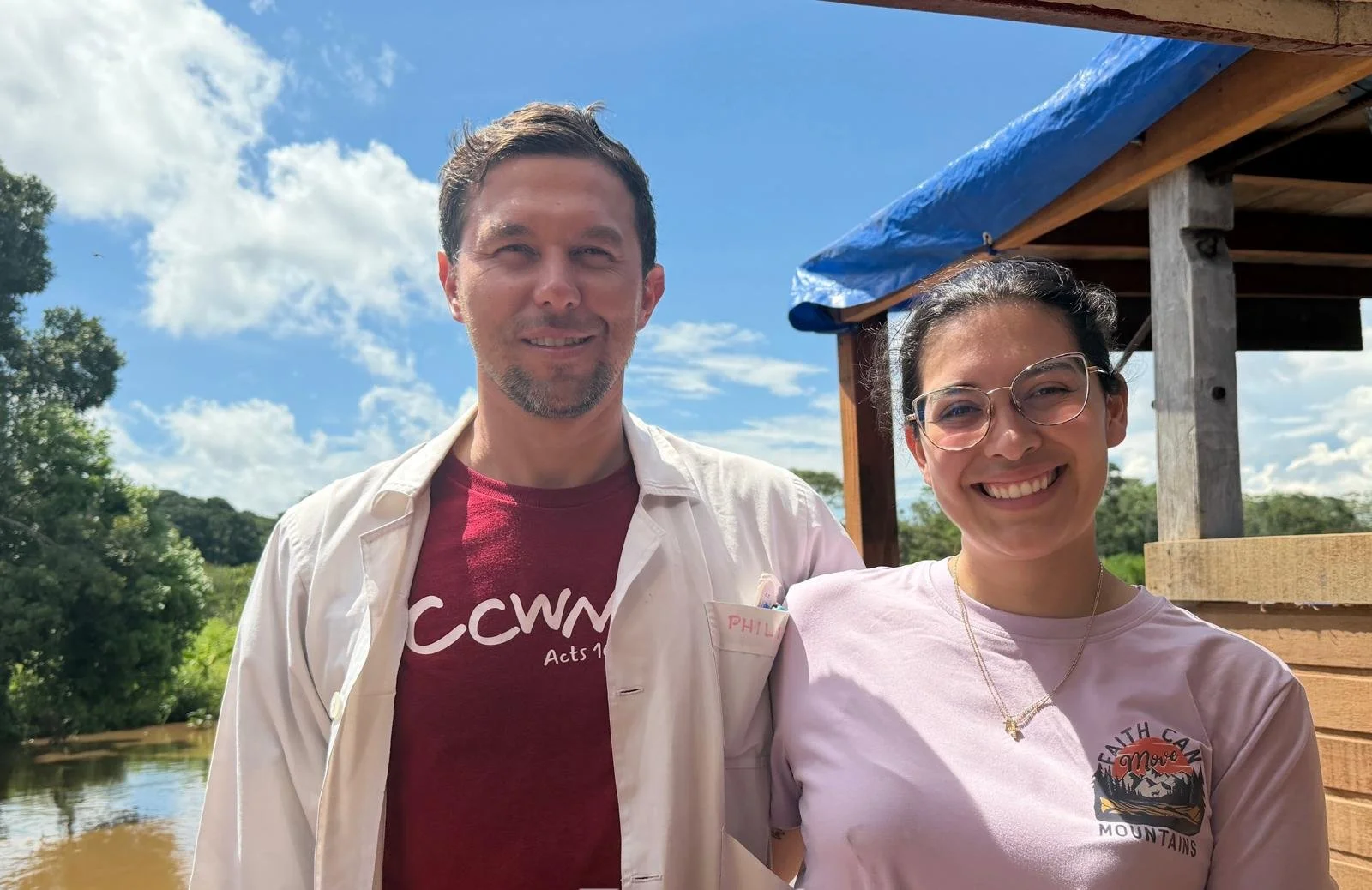
Planting Seeds
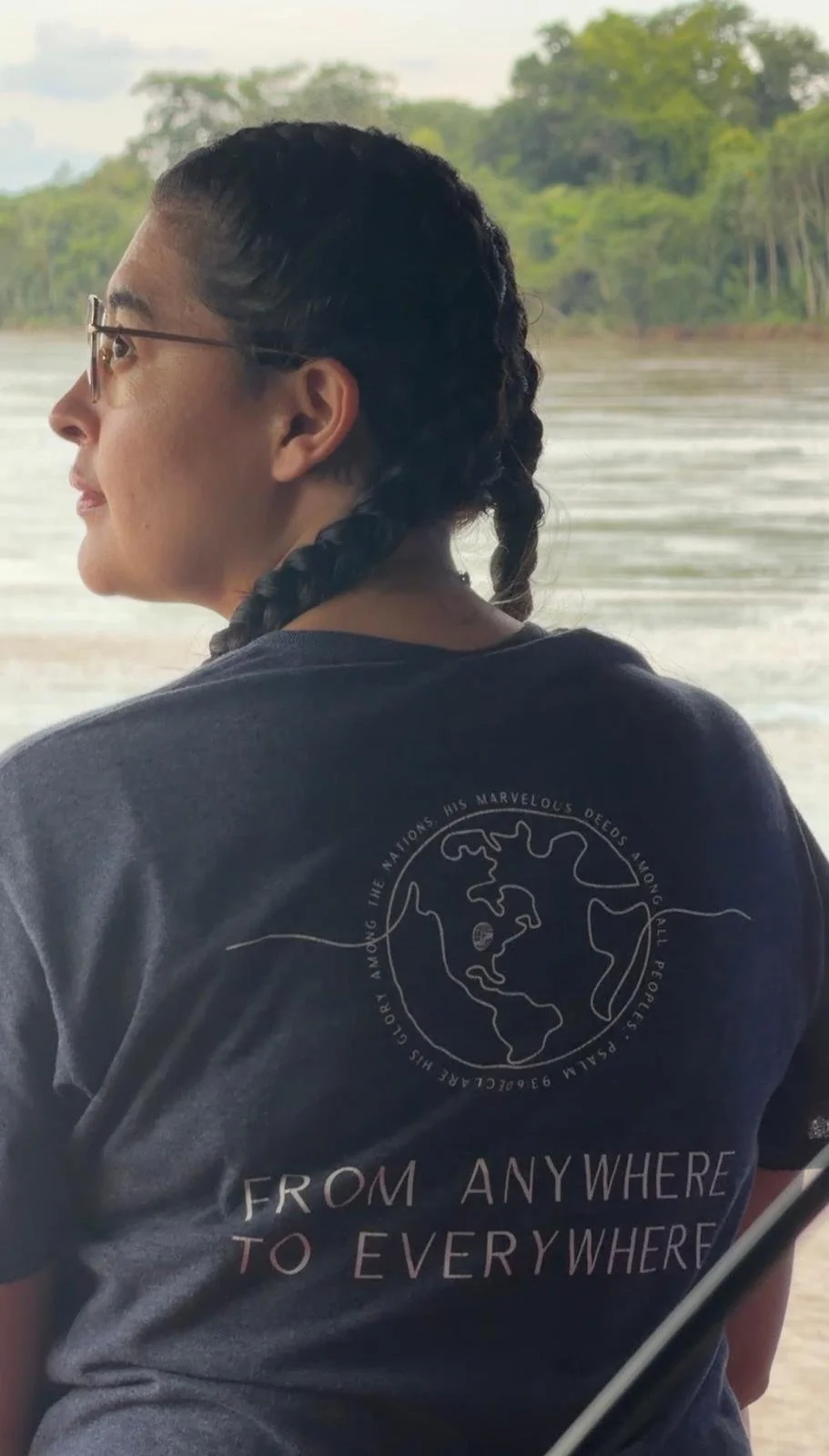
“Loving is not just about enduring discomfort, but about being intentional in living and showing Christ—in doing what He said and what He did.”
I have often heard criticism toward short-term mission trips. People question the cost, the time, and the effort. But today I want to share how, in just ten days, God was glorified and lives were touched—including my own.
This particular trip transformed my heart and the way I understand service. After years of serving, I realized that many times I believed the true cost of love was discomfort: intense heat, insects, poor sleep, getting sick from the water, leaving behind comforts. I thought that sacrifice was proof of loving others.
But God showed me something deeper: the true cost of love is beautiful. Loving is not just about enduring discomfort, but about being intentional in living and showing Christ—in doing what He said and what He did.
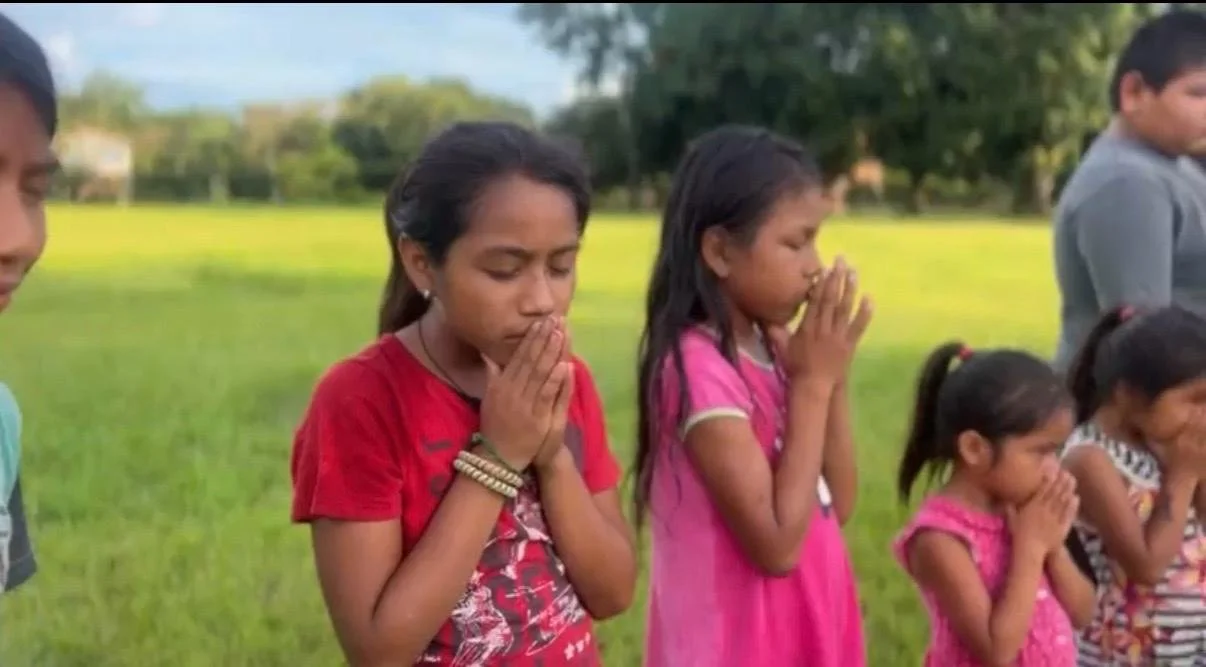
In missions, we often talk about every tongue and nation worshiping the Lord, about taking the gospel to the ends of the earth. But do you know what it’s like to serve on a multicultural team? In different languages, cultures, and abilities, yet functioning as one body? I had never had that privilege… until now.
God took more than a hundred lives—101 volunteers—and united us as different instruments to form a single symphony, played by the right hands: the hands of the Creator.
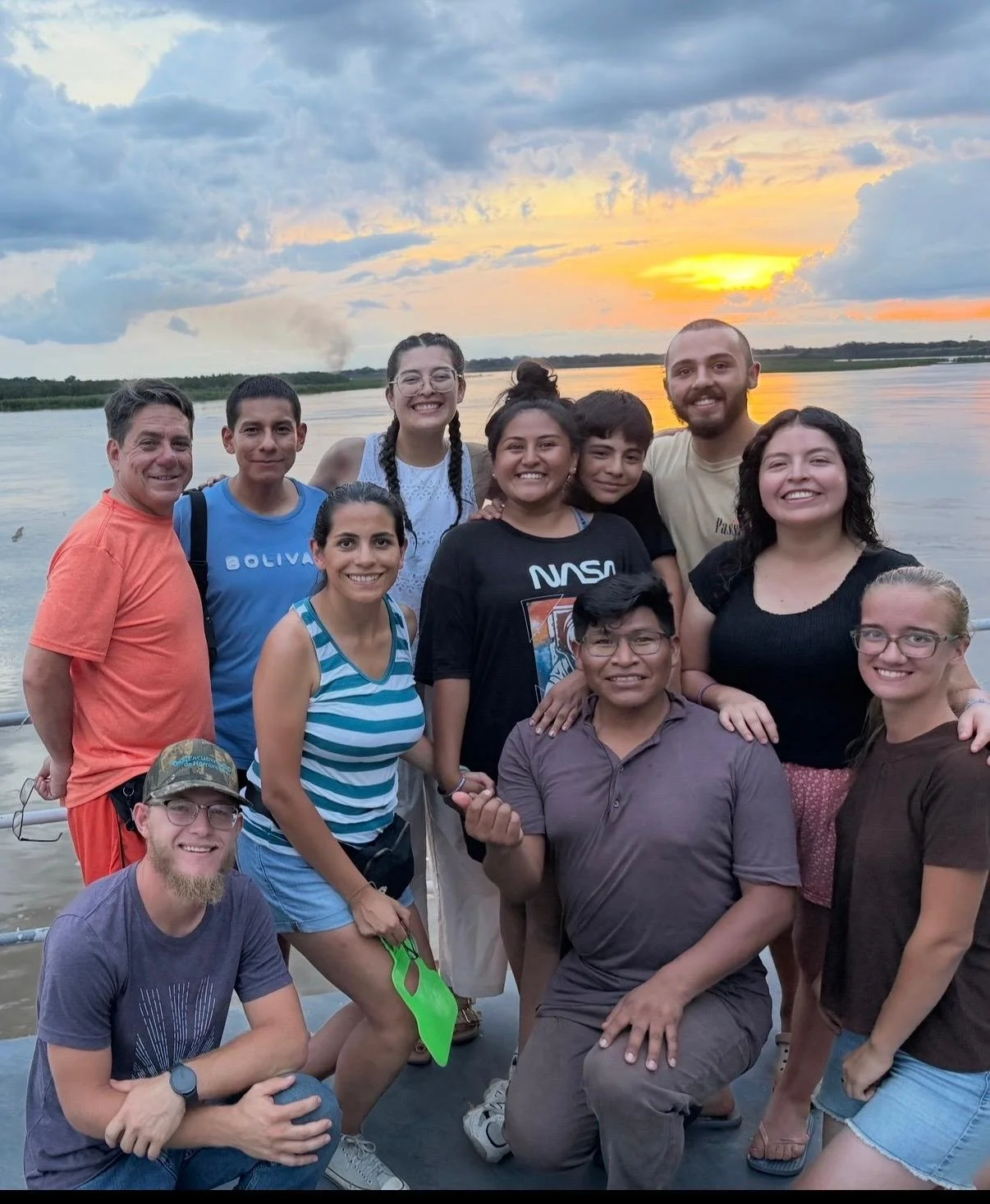
We usually travel on a single boat, but this time there were many more of us than usual. And yes, the logistics were intimidating: the exhaustion, the differences, the potential conflicts, the emotional and physical cost of stepping out of our comfort zones. On the first day, everyone arrived timidly, trying to understand a constantly changing dynamic—a dynamic that reminded me to practice patience and to accept that God’s plans do not always follow the order of our own, even when we make them with the best intentions.
We were different in everything: stories, testimonies, languages, nationalities. But we were united in what mattered most: we loved the same Savior.
I remember observing the Mennonites. They were polite, respectful, and very quiet. I thought it would be difficult to work as a team with such a different culture. But I understood that if we wanted the mission to bear fruit, unity was not optional.
The first night there was discomfort over cabins and tents. However, the next day everything began to change. I was asked to give the first devotional, and I spoke about unity, about the wall of Jericho and Gideon facing the Midianites. My desire was for us to understand that we were one army with one mission. What God did afterward goes beyond any attempt to summarize it in words.
We began the trip with choreography and drama. Watching the rehearsals—the energy and the love with which everyone prepared to share the gospel with children—was deeply moving. The passion was so intense that the boat captain asked them to stop jumping… for the sake of the boat, while I prayed that there would be enough water left for showers after rehearsals.
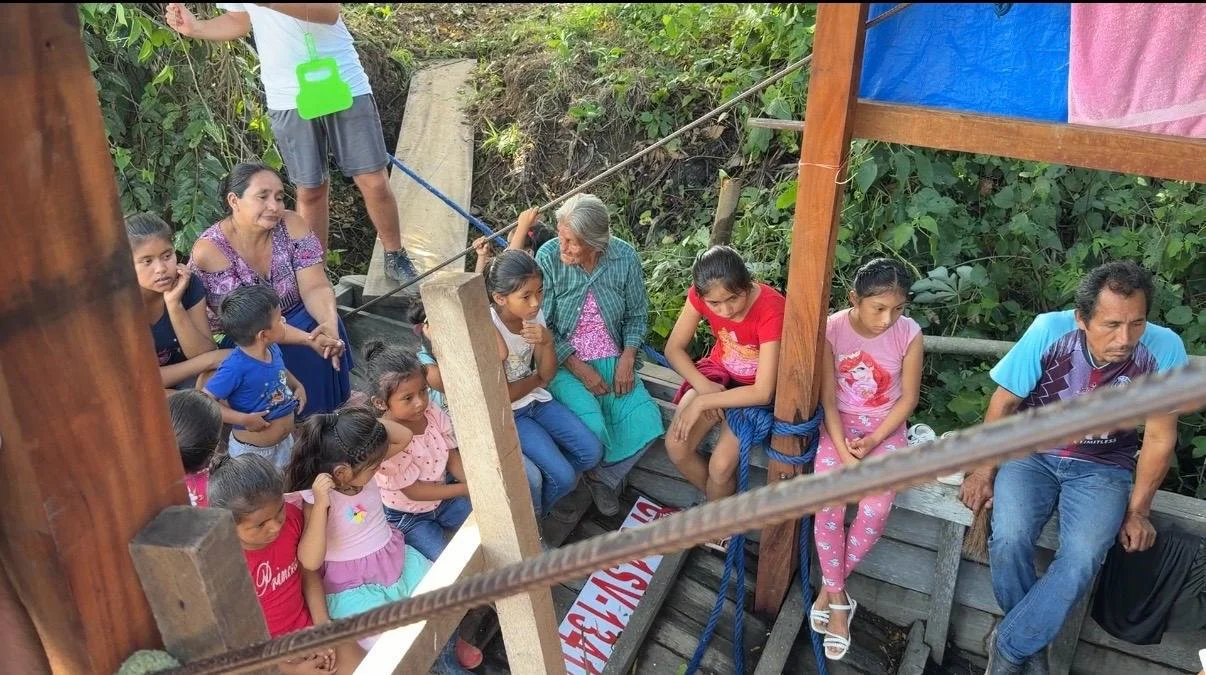
I served alongside a wonderful teammate in food logistics. Every day we worked to make sure the food was enough and that each volunteer was strengthened to fulfill their calling. And every time we arrived at a community, the boat became a true spiritual battlefield: dentists, doctors, barbers, veterinarians, record keepers, helpers—everyone went out like battalions, while the crew, even after long hours of navigation, continued serving with admirable willingness.
But there were two groups that deeply impacted me.
The first was the Mennonites. They stepped off the boat with Bibles in hand, caps and wide-brimmed hats, legs covered in insect bites—but with unstoppable intentionality. Language did not stop them. Culture did not stop them. They went house to house, person to person, speaking about Christ.
Meanwhile, we ran between patients, children’s cries, and physical pain, trusting that God would also speak through our actions.
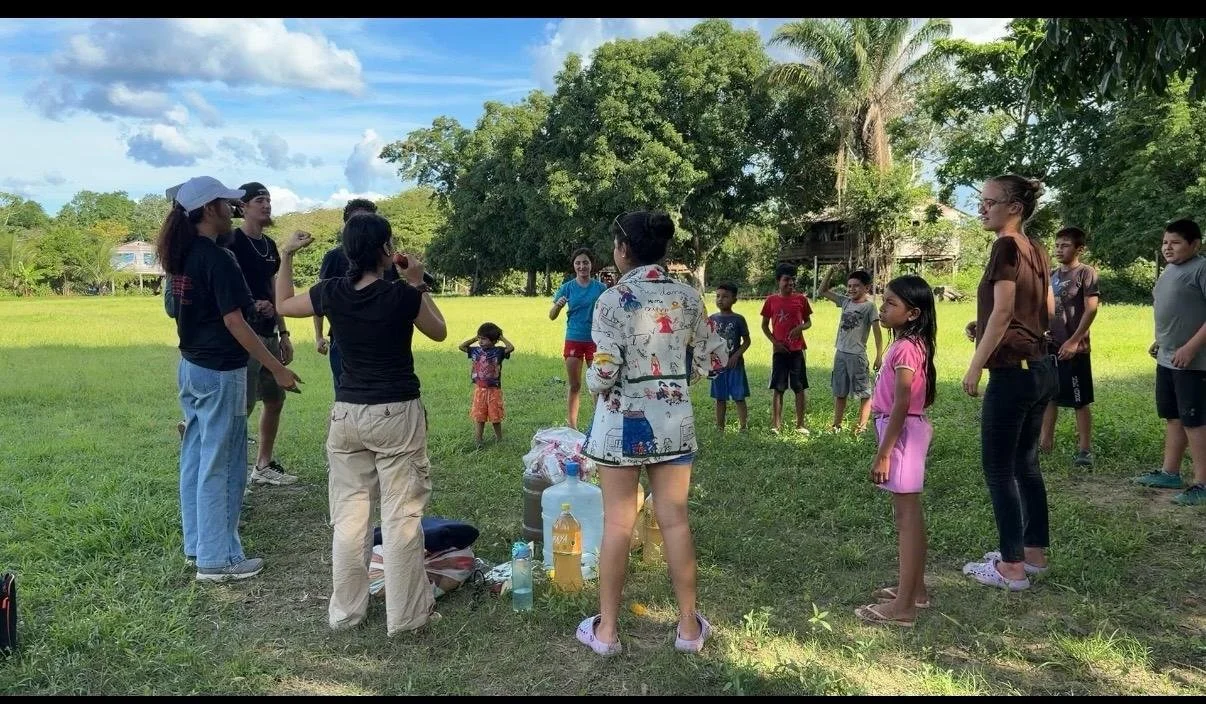
The second group was the children’s evangelism team. What a group! Young people convinced that there is no better decision than giving your youth to Jesus. Games, drama, laughter, words—and even “word without words.” Everyone rotated roles: evangelists cooked, cooks helped in the pharmacy, pharmacy helpers evangelized. Each day it became clear that some were hands, some feet, some eyes—but together we were one body.
But on this trip, God allowed us to witness miracles.
One of them is named Jonah.
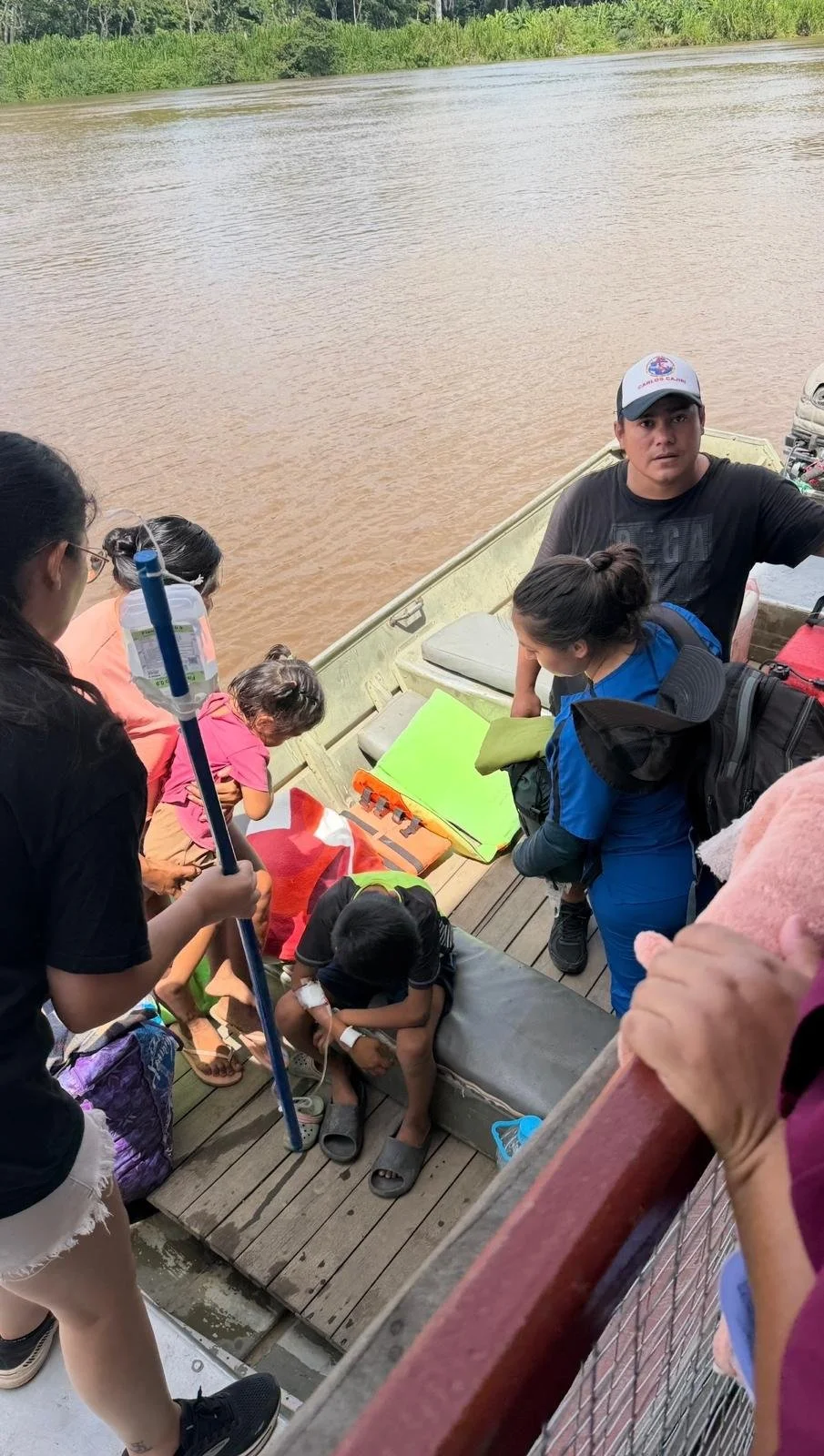
We arrived on January 2nd and began medical care on the 3rd. Early in the morning, we heard the engine of a small boat, a “peque peque.” A very sick child arrived with his mother and siblings. My husband began treating him, and when I saw the concern on his face and heard him say, “He’s critical,” I felt a chill. He is not someone who panics easily.
I sat beside the mother and Jonah. He was quiet, not crying, but his face showed pain. While a friend prayed with the mother and she gave her life to Christ, the mother looked at me and said, “I have eight children, and I love all eight equally. My little son isn’t going to die, right? I have given my life to God.”
What a difficult question to answer… all we could do was pray. Jonah was hugging a bucket, which he used to vomit, even some blood. Evacuation plans began, and for four hours we prayed without ceasing, asking God to let him arrive alive at the nearest hospital.
The doctors said he arrived just in time: minutes later he suffered respiratory failure and was taken to intensive care. There were no ventilators available. If one could not be found, Jonah would not survive the night.
We searched everywhere for help. Three hours later, a ventilator was found. We cried, we worshiped, we gave thanks. And I understood that a miracle does not happen only in the final moment, but in everything God moves to make it happen: a boat in the Amazon, portable batteries, satellite signal, doctors, fuel, a broomstick to hang an IV bag… and prayers full of faith.
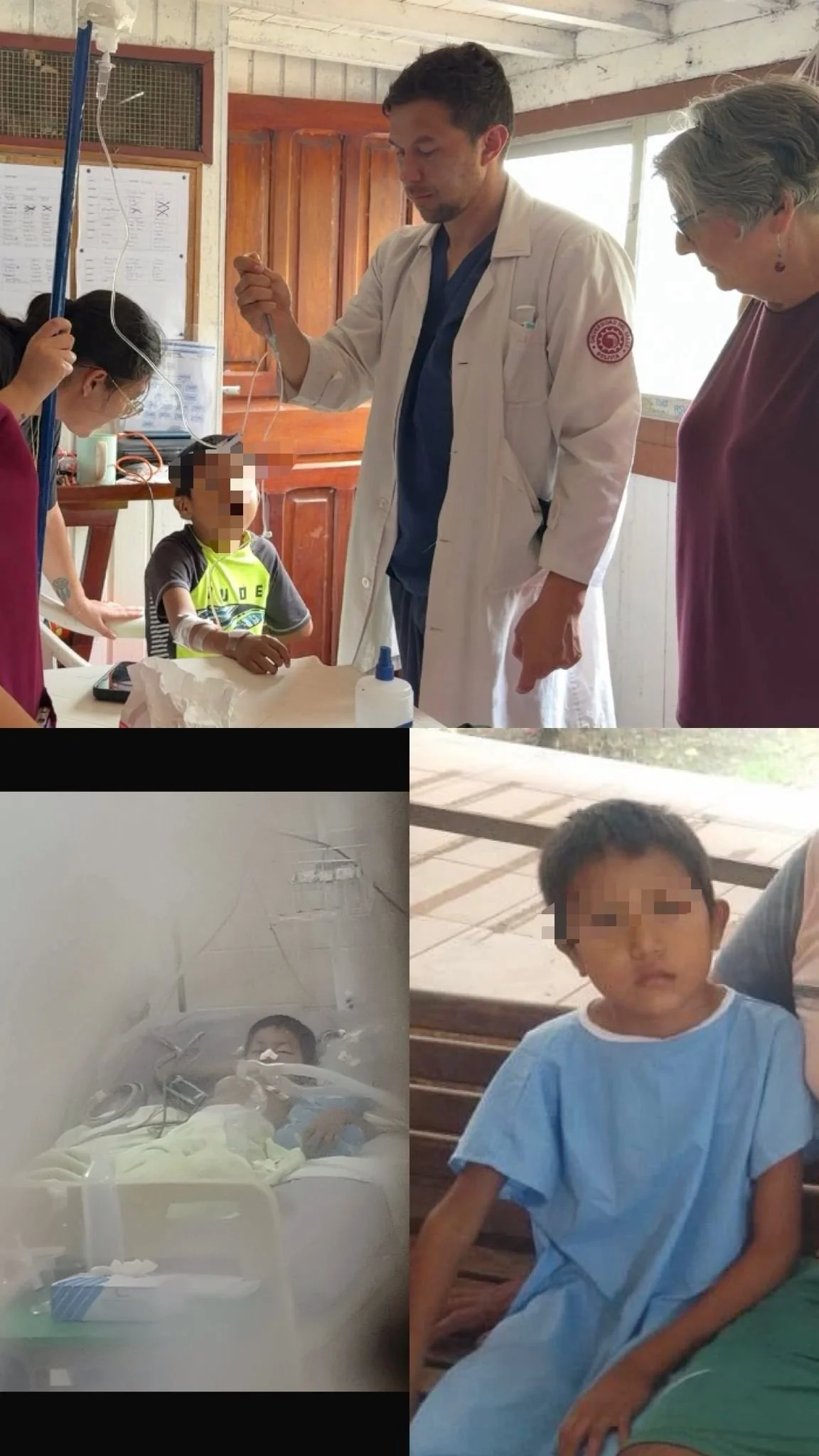
This is Jonas. The top photo is from the first day, the one below is from when he was in intensive care, and the last one is from today, much better.
We continued the journey. We were warned about a strong storm that another team had experienced, but it never reached us. Instead, we arrived at a community where we had not planned to stop. When they heard the boat engine, people came out to the dock. There were sick children, and one woman said, “We are the forgotten ones.”
That day we confirmed that they were not forgotten. God is El Roi, the God who sees. And once again, the team went house to house, child to child, being instruments of His love.
I witnessed many miracles, but the most visible ones occurred in the last and most remote community. I confess that I am skeptical about many things, but God was so evident that denying His work would have been foolish.
One night, during the service, I saw a group praying for a woman who had not been able to lift her arm for years. After several minutes, she began to move it… and then lifted both arms with joy. I saw the same with a healed knee. And John 12:37 came to my mind—and I realized that many times it spoke about me.
“Even after Jesus had performed so many signs in their presence, they still would not believe in him. ”
That night, I asked God never to let me lose my sense of wonder at His miracles.
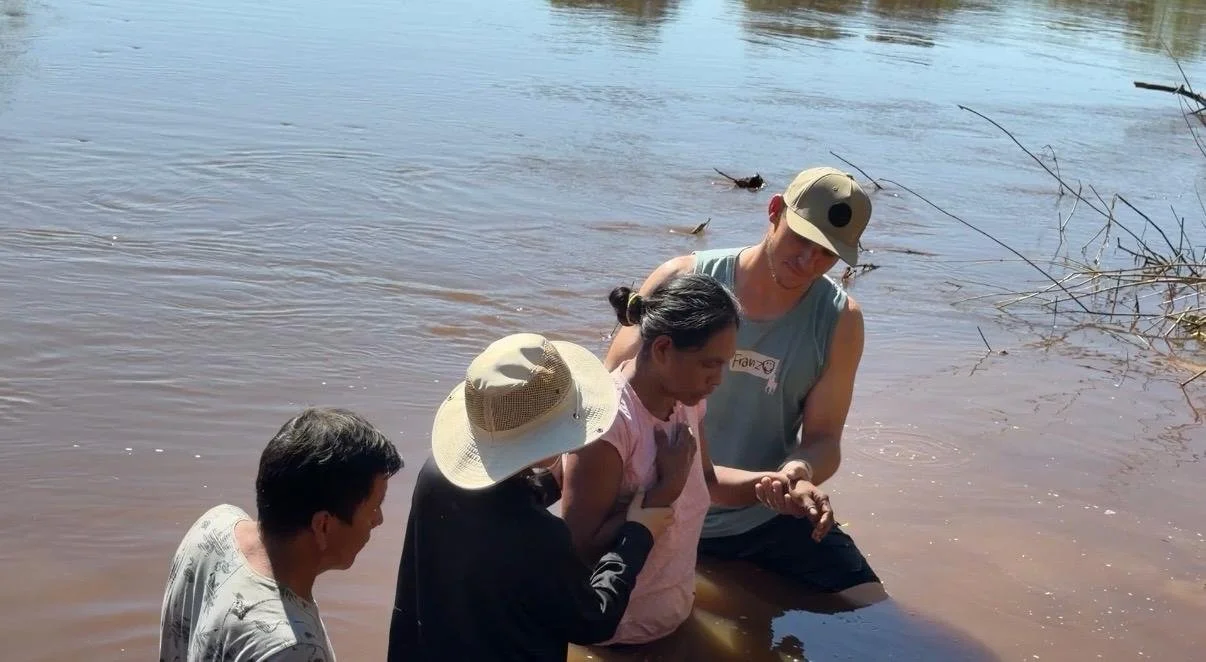
The next day, the final day of ministry, I saw a family walking down to the river to be baptized. The woman had stopped walking due to severe pain, but after hearing the gospel she felt relief, walked again, and decided not to wait another day to publicly acknowledge what God had done. Her husband and children joined her.
We saw hunger for God, healing, and mercy.
The trip ended with testimonies, joy, and renewed hearts. For me, one of the greatest gifts was seeing my younger brother—whom I had prayed for for ten years—give his life to Christ.
It ended with storms, mud, endless hugs, gratitude, and transformation. It ended with deep admiration for Papa Felipe, who at 72 years old carried gas tanks in the rain, preaching love for God and neighbor through his example. It ended with part of the team stranded on the road, witnessing the Lord’s provision for four days.
And it ended as everything should end: giving glory to the only One worthy of it.
So I ask myself:
Can the gospel arrive through a ten-day trip?
Can God use our obedience, even if it is brief?
And if more of us chose to be uncomfortable for His glory… would we reach those who say they are forgotten?
Because I saw that it can.
And I will keep planting.
Thank you, dear friends, for planting seeds