
Had I Stayed.
“Carry each other’s burdens, and in this way you will fulfill the law of Christ.”
At times, as I close my eyes to sleep, I see them, like a movie reel of highlights, the people and places I have left behind. In my 50’s now, I’m hesitant to disallow the waves of emotion to wash over. I’ve learned that the memories clean off the day, the things I held onto that don’t need to be with me, that matter little in the light of eternity.
There are many lives I could have lived, and I’ve played them out on sleepless nights.
Places my heart wanted to go that I chose not to follow. I’ve imagined the way it might have been had I moved just a few steps past, “I wish I could..”
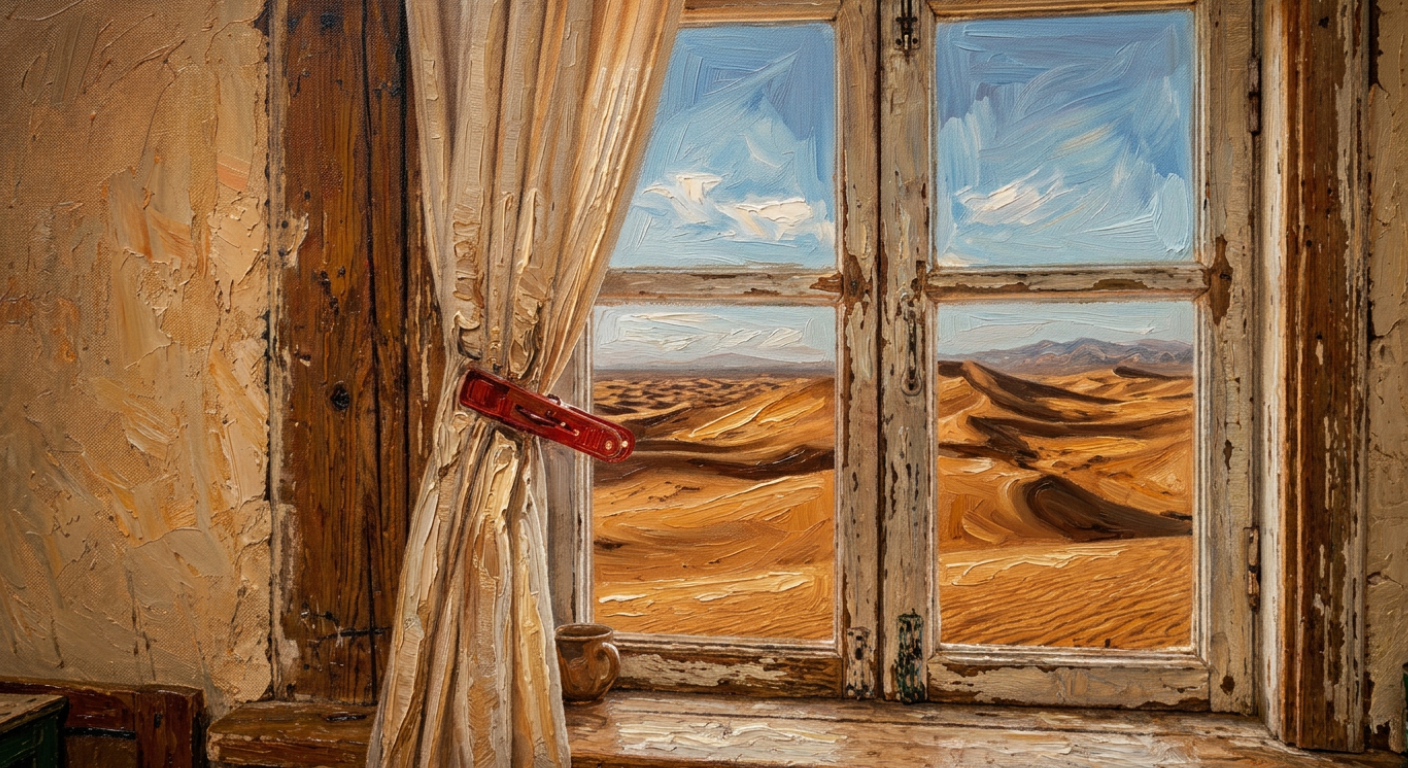
There is a desert house in the Gobi, with wood floors, faded blue, and sand colored stone walls. The dust settles on everything, but it’s worth it! Seen through the only window in the one-room home are the majestic Gobi Sand Dunes, perfectly framed by the only window in the house and a lace curtain held to the side by a chip clip. Here, in my imagination, I’m teaching the Bible to a small group of children, telling the story of God as if it were for the first time, because it is the first time it falls on their ears. There are cups of salty milk tea on the table, and biscuits with just enough sugar to call them cookies. We are on the edge of the world where China and Mongolia collide, and once the warring Mongols fought and won a sprawling empire all the way to Jerusalem. But it receded, the empire, as waves wash in and out, leaving now a sparse, beautiful Mongolia all to itself.
There are villages without a single church. I was there, with my feet in the hot sand, and my lips blistering from the dry sun. It is a place I still dream of.
“Are you Jesus people?” they asked as our jeep rolled into the village.
“We waited so long for someone to come back!” they said. “OtherJesus people were here once, to tell us about God, but they only stayed for a day!”
I did too.
And when I left, my heart felt tight in my chest at the thought of the need, and I imagined the what-ifs, had I stayed.
Beyond the Gobi, China.
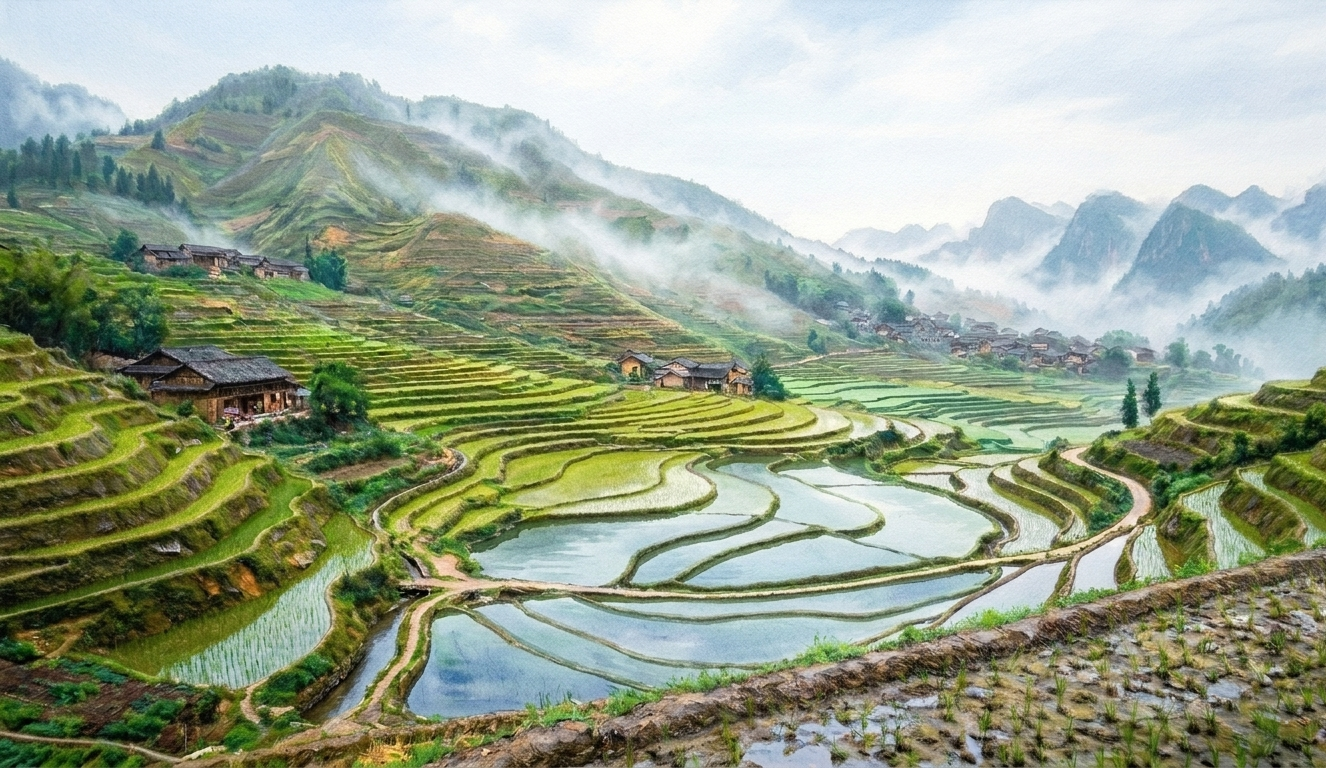
Riding the Trans-Siberian Railway. It has just rained, and the rice fields in rural China are thirsty. I had been on the train for what seemed like weeks, but was merely days. So much space. So much greatness, beauty, and quiet. And each time we would follow the tracks through small villages, I would make my way to the outside balcony. I wanted to see them, the people I prayed for as a child,
“Jesus, please help those in China who do not know you.”
And yes, this is exactly what I saw in my child’s mind. These villages on the side of the rock, houses with tiny doors and stone walkways, colorful and storybook-like. The children played in washtubs, and the grandmas swept the muddy water from the pathway. They all looked up to watch us, and I soaked in everything the best I could, “remember the faces,” I whispered to myself while trying to catch someone's eye, but we were too fast-moving. I inhaled the air of the place as it faded behind us. Garlic and ginger.
I would not remember the name of the town. But I remember her, bent over in the rice field, by herself, a mile or so out of town. She wore a white blouse, dark pants, and a hat made out of straw. But as we passed, she looked up, and somehow we met. I, standing on the railway, she is working in the field. I felt our hearts meet up like a once-in-a-lifetime moment. And then she was gone, fading behind us. But I imagined the what-if’s had I stayed. We were sharing tea at her table, having walked back into town on the cobblestone streets. Her hat, hanging on the wooden peg behind her, working hands clean from the rainwater basin that sat just inside her door. We were praying together for all the things that pressed and weighed on her heart and mine. I wiped a tear as I walked back into the train car that held my family.
I was going somewhere else.
And then there is the jungle, a place I’ve been only once, and noticed my human frailty in ways that still make me feel put in my place.
The heat, which drove me to cry over the lack of a fan, and the mosquitoes, which drove me to near-panic as they swarmed what felt like the entire atmosphere around me. The hornets, which gave what I heard was an awful sting, that, by the grace of God I did not know firsthand.
My heart was uglier in the jungle than it has ever been, and yet, even there, the beauty of God’s most treasured creation, humankind, was burned into my memory.
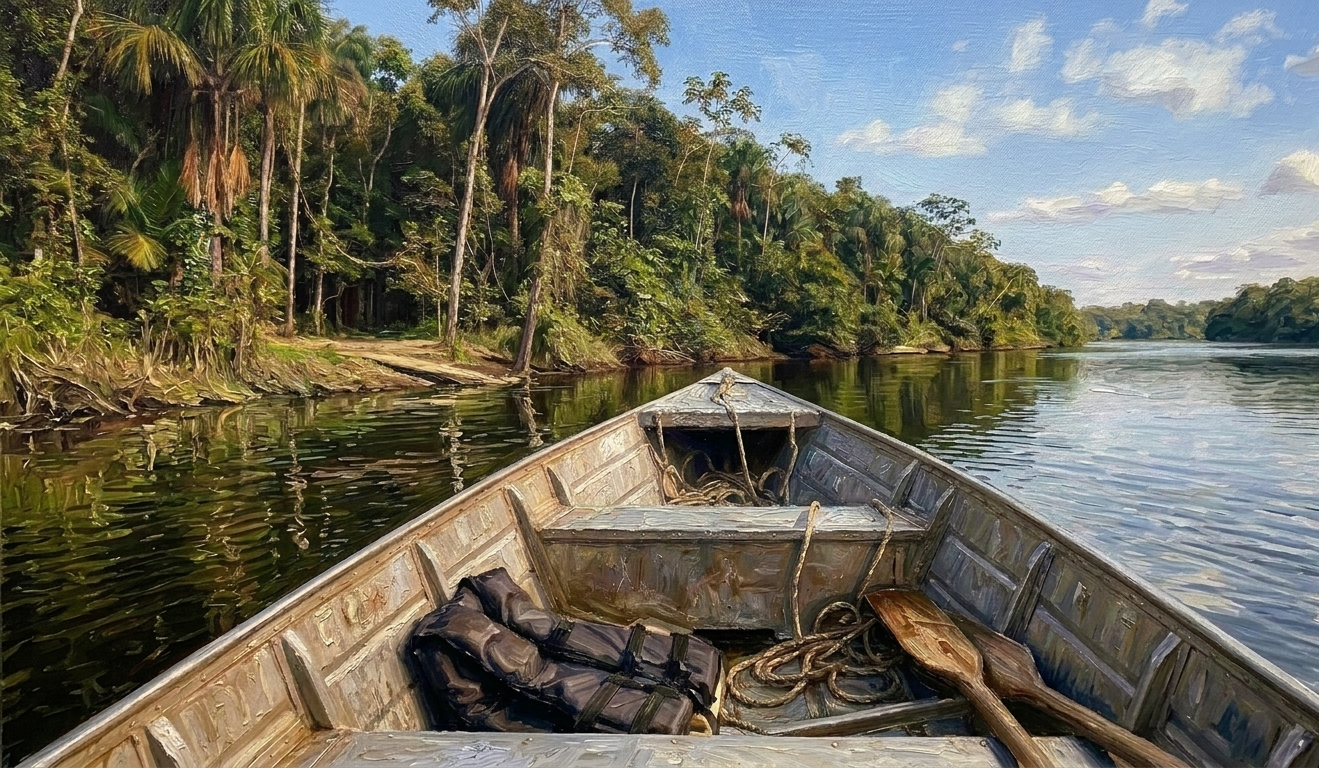
The family congregated on the riverbank of the Isiboro, a tributary of the Great Amazon River. All of them were waving as we passed by, “Please stop!” they shouted. We had so little time, in our tiny boat, headed back to the Father Boat waiting for us. No one would want to be out here on this river after sundown. And I wished for our boat to keep steering forward, the selfish darkness in me, desiring the wind on my face over the swarms of mosquitoes. However, the missionary and doctor could not resist the call for help, and thankfully, they were in charge of our navigation.
There on the shore, such needs. Tooth aches and fevers, but loneliness and spiritual needs too. “Share with us,” they said, knowing we were Christian. They had heard the stories before, of Jesus and the cross. They wanted to hear more. The hours went quickly, and I noticed, as we pushed off to leave, that my heart decided to stay there. I let myself consider what it would be like to make this my home, to live here and to continue to learn and to teach, and I imagined the what-if’s, had I stayed.
When God places a nation, a place, a people group, or a face on our heart, what we do with it next matters.
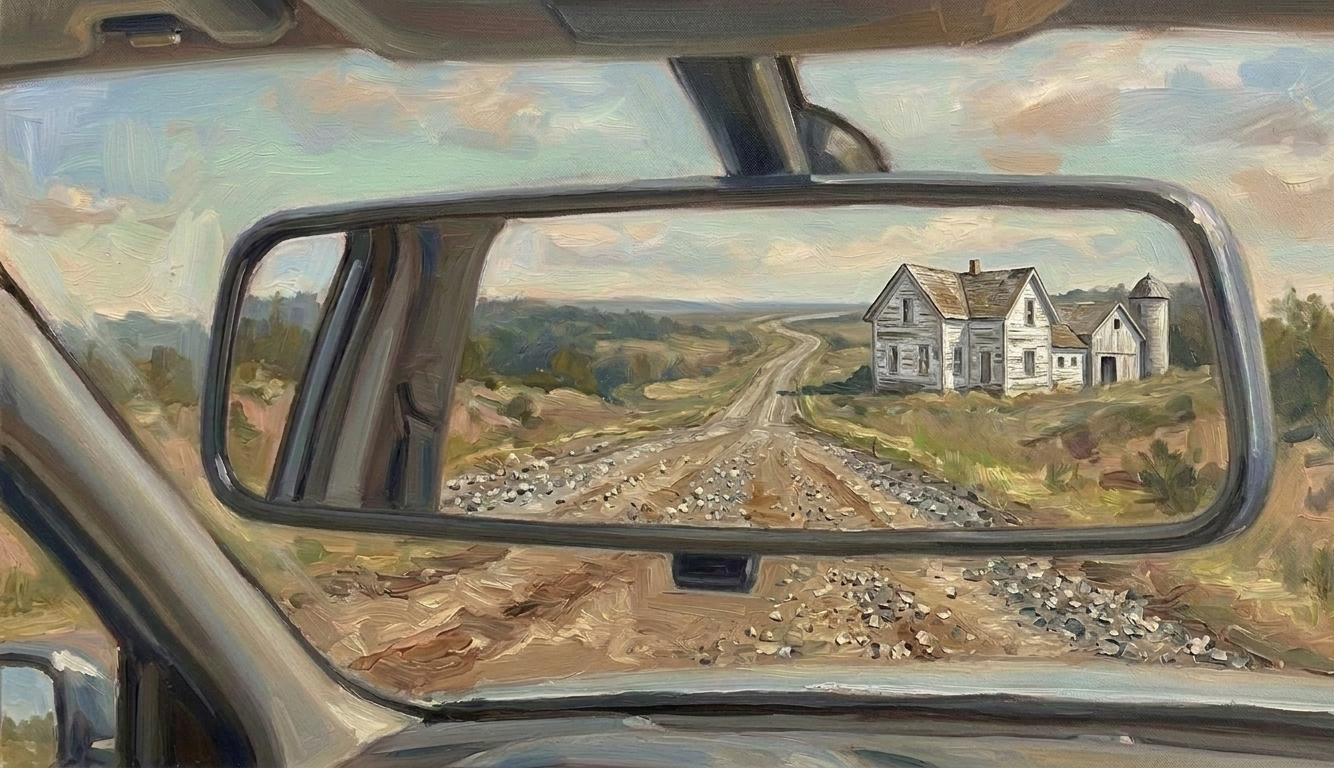
Too often, I’ve felt it and left it fading in the rearview mirror. And perhaps that is the intent, from time to time, to feel another’s need, and not solve the problem as much as know it is there, to care. But how will we know what a burden was intended for if we do not ask God what to do with it?
The heart of a missionary is the heart of God, beating loudly, noticing the need, catching their eye, and holding the gaze to say, I see you, navigating the boat to the call of the suffering. Because it is God’s heart, it can be all of ours, if we’re willing.